
Byline: lunyu.ai editorial desk · Review: lunyu.ai editorial desk
Who Was Nan Gong Kuo in the Analects?
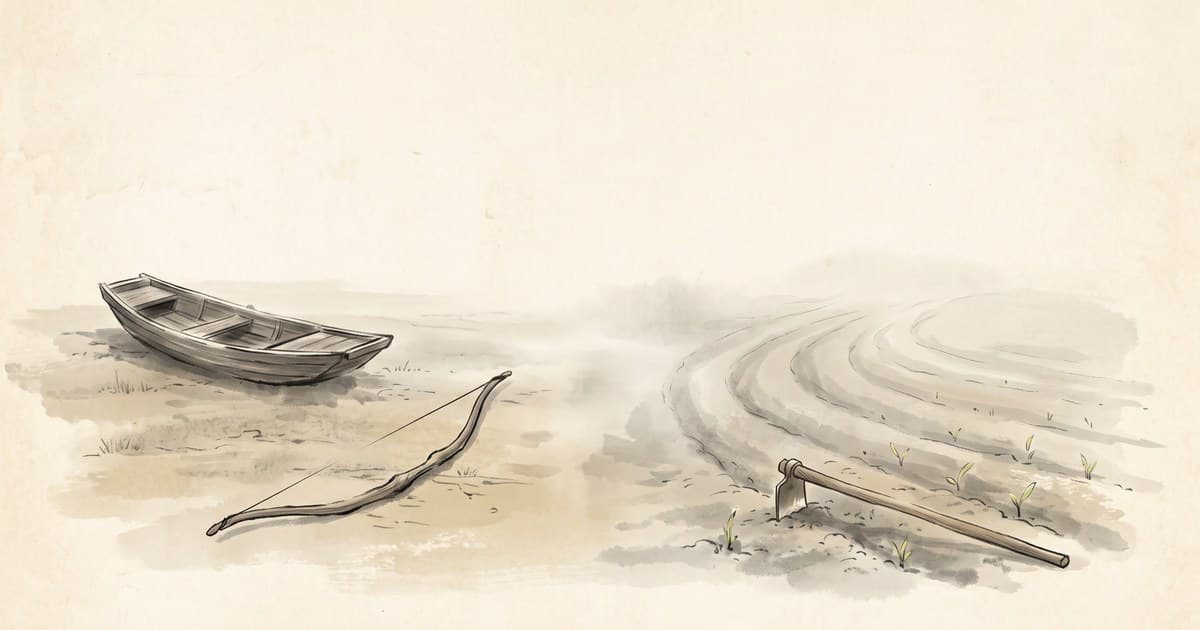
Nan Gong Kuo (南宫适) is a figure the site's people index ties to three passages; two of them call him Nan Rong (南容). If you searched his name, in short: he asks Confucius why a great archer and a man who moved a boat over land both died unnatural deaths while two farmers came to possess the kingdom. The Master says nothing, then praises him once he has left. You can check every line below on its passage page.
Three passages, two names, one index entry
The people index files all three passages under one heading, Nan Gong Kuo, and describes him as "a figure linked with virtue, worthiness, and judgments of historical models." That grouping matters to you, because the Chinese text itself uses two names. Kung-ye Ch'ang 5.1 and Hsien Tsin 11.5 say 南容, which Legge prints as Nan Yung; Hsien Wan 14.6 says 南宫适, which Legge prints as Nan-kung Kwo. The pinyin on the 14.6 page reads 适 as kuò, matching the Kuo in the index name.
The Chinese index also points you to a profile filed under a third form, 南宫括. Its summary says the Shiji gives him a biography as 南宫括, courtesy name 子容, and records the Nan Rong and Nan Gong Kuo material together. The same profile declines to treat his link to 南宫敬叔 as an established fact and lists his birth and death years as unknown. You should stop where it stops.
Hsien Wan 14.6: the question Confucius did not answer
Of the three, this is the only passage where he speaks, so it is the one you should read first. Open The Analects · Hsien Wan 14.6. The source line is 南宫适问于孔子曰,羿善射,奡荡舟,俱不得其死然,禹稷躬稼,而有天下。夫子不答。南宫适出。子曰,君子哉若人,尙德哉若人。 The modern Chinese guide on that page says: 南宫适问孔子说:羿善于射箭,奡能陆地行舟,都没能得到善终;禹和稷亲自耕种庄稼,却得到了天下。孔子没有回答。南宫适出去后,孔子说:这个人真是君子啊!这个人真崇尚德行啊!
Legge's 1893 English on the same page reads: Nan-kung Kwo, submitting an inquiry to Confucius, said, "I was skillful at archery, and Ao could move a boat along upon the land, but neither of them died a natural death. Yu and Chi personally wrought at the toils of husbandry, and they became possessors of the kingdom." The Master made no reply; but when Nan-kung Kwo went out, he said, "A superior man indeed is this! An esteemer of virtue indeed is this!" In that sentence "I" is Legge's spelling of the archer 羿, so you should not read it as the speaker boasting.
Notice the order the page gives you: a comparison of archery and boat-moving prowess against labor in the fields, silence while the questioner is in the room, and praise only after he goes out. The text does not say why Confucius stayed silent. Whatever you make of that silence belongs in your own reflection, marked as yours, not in the passage.
Hsien Tsin 11.5: repeating the white-jade lines
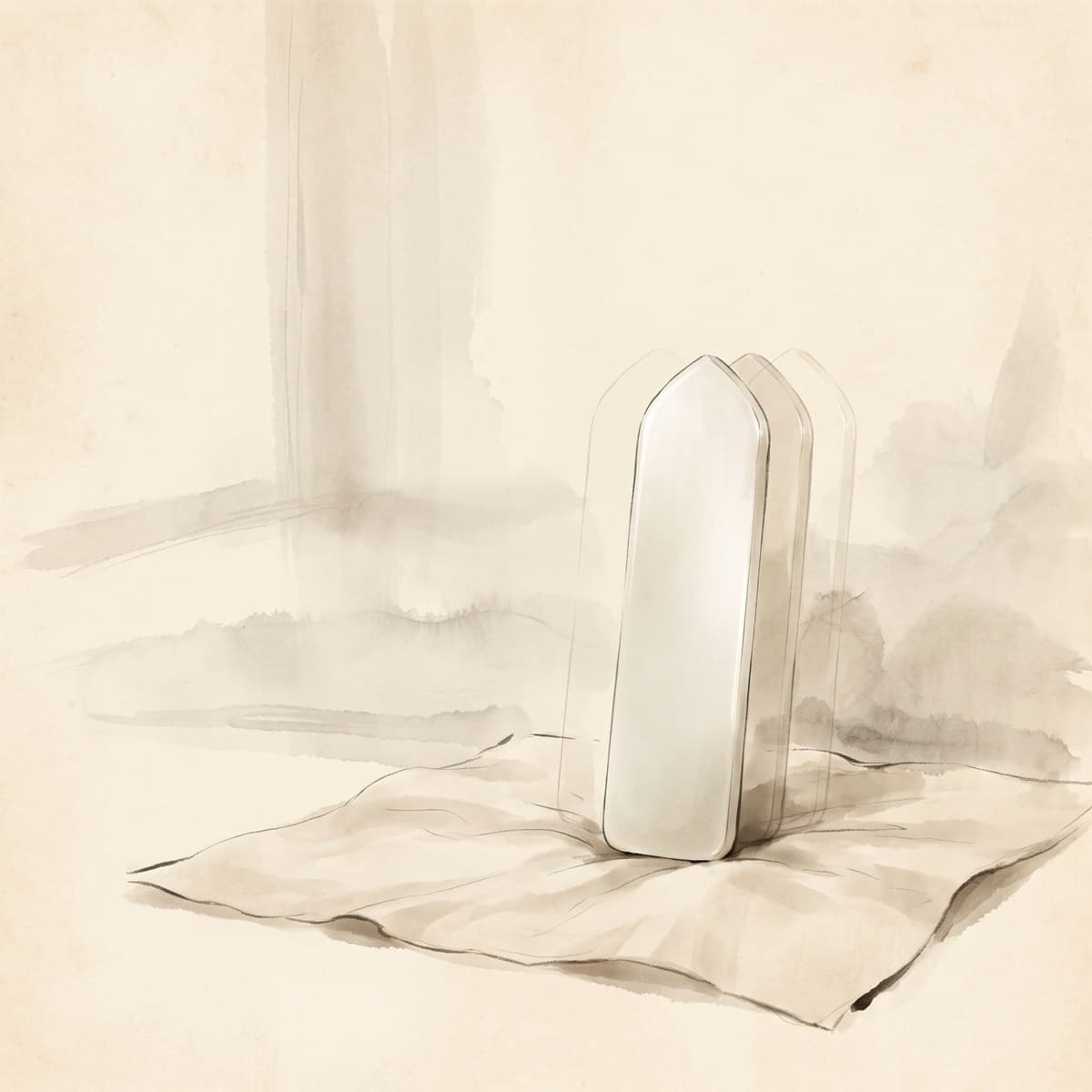
The Analects · Hsien Tsin 11.5 is a single sentence: 南容三复白圭,孔子以其兄之子妻之。 The guide says: 南容反复诵读《诗经》中关于白圭的诗句,孔子便把自己哥哥的女儿嫁给了他。 Legge writes: Nan Yung was frequently repeating the lines about a white scepter stone. Confucius gave him the daughter of his elder brother to wife. The guide tells you the lines come from the Shijing and concern a white jade tablet, but the page does not print the poem. You should not paste a stanza in and present it as part of this passage. What the page does give you is a habit, repetition, and the family decision that followed it.
Kung-ye Ch'ang 5.1: kept in office, kept from punishment
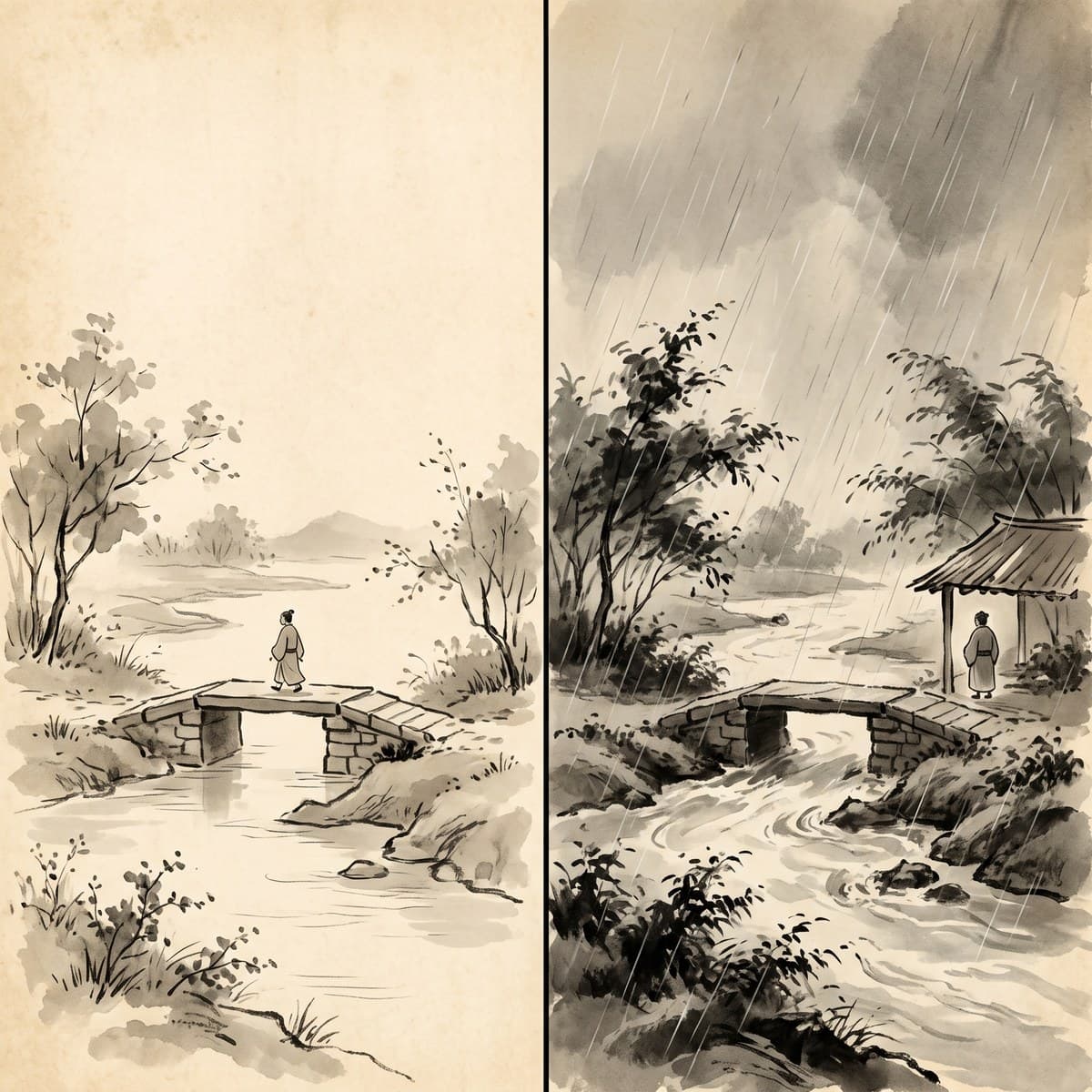
The Analects · Kung-ye Ch'ang 5.1 puts two marriages in one passage. The source is 子谓公冶长,可妻也,虽在缧绁之中,非其罪也。以其子妻之。子谓南容,邦有道,不废,邦无道,免于刑戮。以其兄之子妻之。 For his half, the guide says: 孔子谈到南容,说:国家政治清明时,他不会被废弃不用;国家政治黑暗时,他也能免于刑罚杀戮。于是把自己哥哥的女儿嫁给了他。 Legge's second clause reads: "Of Nan Yung he said that if the country were well governed he would not be out of office, and if it were ill-governed, he would escape punishment and disgrace. He gave him the daughter of his own elder brother to wife." The first half is about Kung-ye Ch'ang, a different man, who received Confucius's own daughter. You should keep the two marriages apart.
What the three passages add up to, and what they leave out
Read together, the pages show you a man judged by how he weighs historical examples, by a line he kept reciting, and by how he would fare under good and bad government. Both 5.1 and 11.5 end in the same family decision: Confucius married his elder brother's daughter to him. That repetition is on the pages, so you may state it plainly. Offices held and the date of the archer question are not in these passages, so you should leave them out rather than borrow them.
Yu has his own place in the site's Yao–Shun–Yu Note, and Zi Lu and Zhong Gong have their own Who Notes; this page stays with the man who asked. When you quote any line above, name the passage URL and say whether you used the source, the modern Chinese guide, or Legge. Each page keeps those layers and its local reflection box apart, and your citation should too.
FAQ
Who was Nan Gong Kuo in the Analects?
You meet Nan Gong Kuo (南宫适) in three passages that the site's index groups under one name. In Hsien Wan 14.6 he asks about the archer 羿, the boat-mover 奡, and the farmers 禹 and 稷; after he leaves, Confucius calls him a superior man who esteems virtue. In 5.1 and 11.5 he appears as 南容, and Confucius gives him his elder brother's daughter in marriage. That is the record you can verify here.
Is Nan Rong (南容) the same person as Nan Gong Kuo?
The site treats them as one, and you can see how. Its Nan Gong Kuo index lists the two 南容 passages beside the 南宫适 passage, and its Chinese profile, filed under 南宫括 with the courtesy name 子容, says the Shiji records both names in one biography. That profile stops short of further identifications, so you should cite the grouping as the site's and the Shiji's, not as something the Analects states.
Why did Confucius not answer him in 14.6?
You will not find a reason on the page. The source says only 夫子不答, the guide says 孔子没有回答, and Legge says the Master made no reply. The praise comes once the questioner has gone out. You may notice that sequence and think about it, but you should not supply a motive, a hidden lesson, or a later explanation that the passage itself does not print.
What does 南容三复白圭 mean?
You can rely on the guide: Nan Rong repeatedly recited the Shijing lines about a white jade tablet, 白圭, and Confucius then gave him his elder brother's daughter in marriage. Legge renders the object as "a white scepter stone." The page does not quote the poem itself, so if you bring in its words, label them as coming from another source and keep them outside the passage.
What does 邦有道,不废,邦无道,免于刑戮 say about him?
You are reading Confucius's judgment that in a well-governed state Nan Rong would not be cast aside, and in a badly governed one he would escape punishment and execution. Those are the guide's terms; Legge has "punishment and disgrace." Treat it as a judgment of his conduct under two kinds of government, recorded in 5.1, not as a list of offices he held.
How do you spell his name in English?
You will meet several forms. The site's index uses Nan Gong Kuo. Legge prints Nan-kung Kwo in 14.6 and Nan Yung in 5.1 and 11.5. The page pinyin gives nán róng for 南容 and kuò for 适, and the Chinese profile adds 南宫括, under the slug nangong-kuo. These are labels for one index entry, so you should not split them into separate disciples.
Who are 羿, 奡, 禹 and 稷 in his question?
You get only what the page gives. In the guide, 羿 was skilled at archery and 奡 could move a boat over land, and neither died a natural death, while 禹 and 稷 farmed with their own hands and came to hold the realm. Legge spells them I, Ao, Yu and Chi. For Yu you may turn to the Yao–Shun–Yu Note; here the four stay examples inside his question.
Open the Nan Gong Kuo index next
When you want all three passages on one screen, open Nan Gong Kuo and read them in the order the index lists them, which leaves 14.6 for last. Ask yourself which example you would have weighed more heavily, the archer or the farmers, before the Master's silence. Then stop, and let the source, the guide, and Legge each speak in its own layer rather than through your summary.