
Byline: lunyu.ai editorial desk · Review: lunyu.ai editorial desk
Tang, King Wen, King Wu, and the Duke of Zhou in the Analects: A Culture Carried in People
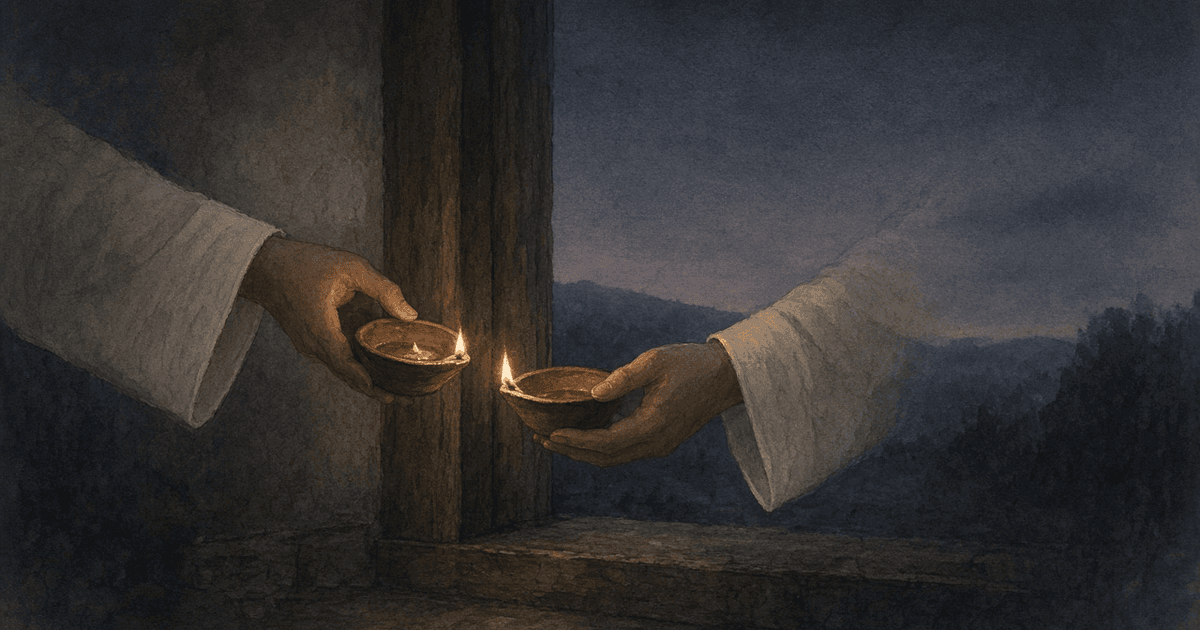
In the Analects, Tang, King Wen, King Wu, and the Duke of Zhou are not a king list. You meet them as the line of 文 — culture, pattern — that Confucius believes he carries, and that the book says lives on only in people. Yet the same book keeps grading these founders by virtue, not by power or gift. This Note follows that double move through eight live passages. It is not a dynastic history and not a Zhou Gong biography.
No longer dreaming of the Duke of Zhou
Start with The Analects · Shu R. 7.5, because here you see Confucius measure himself by the Duke of Zhou. The source reads 子曰,甚矣吾衰也,久矣,吾不复梦见周公。 The modern guide on that page says: 孔子说:我衰老得多么厉害啊!我已经很久没有再梦见周公了。
Legge on the same page: The Master said, "Extreme is my decay. For a long time, I have not dreamed, as I was wont to do, that I saw the duke of Chau." (Legge's "Chau" is Zhou; his "Wan," below, is Wen.) You should notice what the decline is measured against: not lost office or lost strength, but a figure who no longer visits him.
"Was not the culture lodged here?"
The Analects · Tsze Han 9.5 puts you in danger with him. The source: 子畏于匡。曰,文王既没,文不在兹乎。天之将丧斯文也,后死者不得与于斯文也,天之未丧斯文也,匡人其如予何。 The guide: 孔子在匡地被围困而感到危惧,他说:周文王去世以后,文化传统不都在我这里吗?上天如果要消灭这种文化,那我这后死的人就不会掌握这文化了;上天既然不消灭这种文化,匡人又能把我怎么样呢?
Legge renders the core line as: *After the death of King Wan, was not the cause of truth lodged here in me?* You hear the claim plainly: King Wen is dead, and the 文 he stood for now rests in a living man under siege. The founder matters here as something you can carry, not as a portrait on a wall.
"It has not fallen to the ground; it is in people"
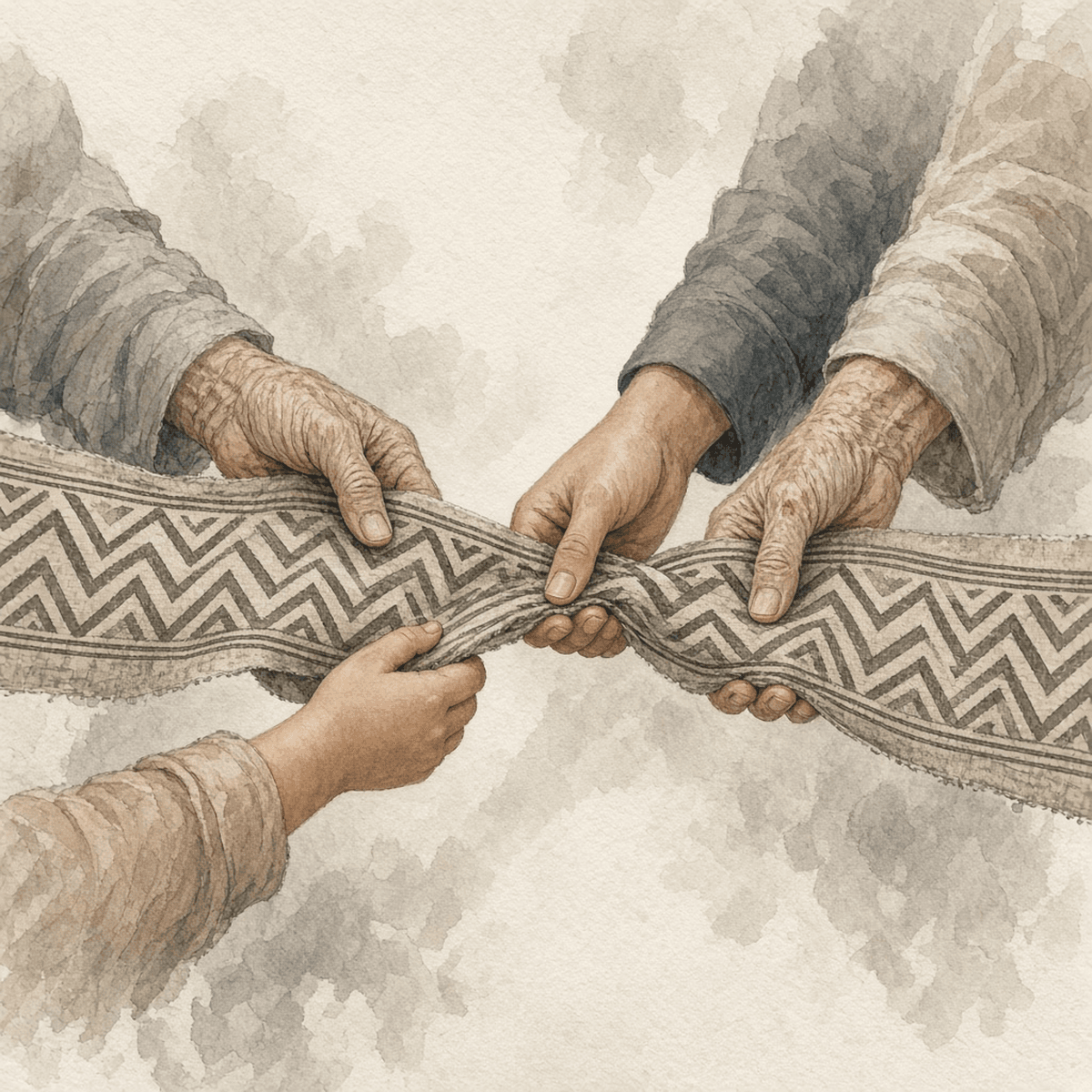
The Analects · Tsze-chang 19.22 gives you Zi Gong's answer to the same question from outside. The source: 卫公孙朝问于子贡曰,仲尼焉学。子贡曰,文,武之道,未坠于地,在人。贤者识其大者,不贤者识其小者,莫不有文,武之道焉。夫子焉不学。而亦何常师之有。 The guide: 卫国的公孙朝问子贡说:仲尼的学问是从哪里学来的?子贡说:周文王、周武王之道,并没有失传坠地,还留存在人们中间。
Legge renders Zi Gong's reply as: *The doctrines of Wan and Wu have not yet fallen to the ground. They are to be found among men.* You should keep the location in view: the way of Wen and Wu is not stored in a palace; it is held by ordinary people, greater parts by the worthy and smaller parts by others. That is why, in Zi Gong's telling, Confucius could learn from everyone.
Zhou's virtue called the highest
The Analects · T'ai-po 8.20 opens with Shun, but keep your eyes on its second half (the Yao–Shun–Yu line has its own Note). The source continues: 武王曰,予有乱臣十人。……三分天下有其二,以服事殷,周之德,其可谓至德也已矣。 The guide: 周武王说:我有十位能治理天下的能臣。……周文王得了天下的三分之二,仍然向殷商称臣事奉。周朝的德行,可以说是最高尚的了。
Legge: "King Wan possessed two of the three parts of the empire, and with those he served the dynasty of Yin. The virtue of the house of Chau may be said to have reached the highest point indeed." You see what earns the word 至德: not holding two thirds, but holding them and still serving.
The book still grades its founders
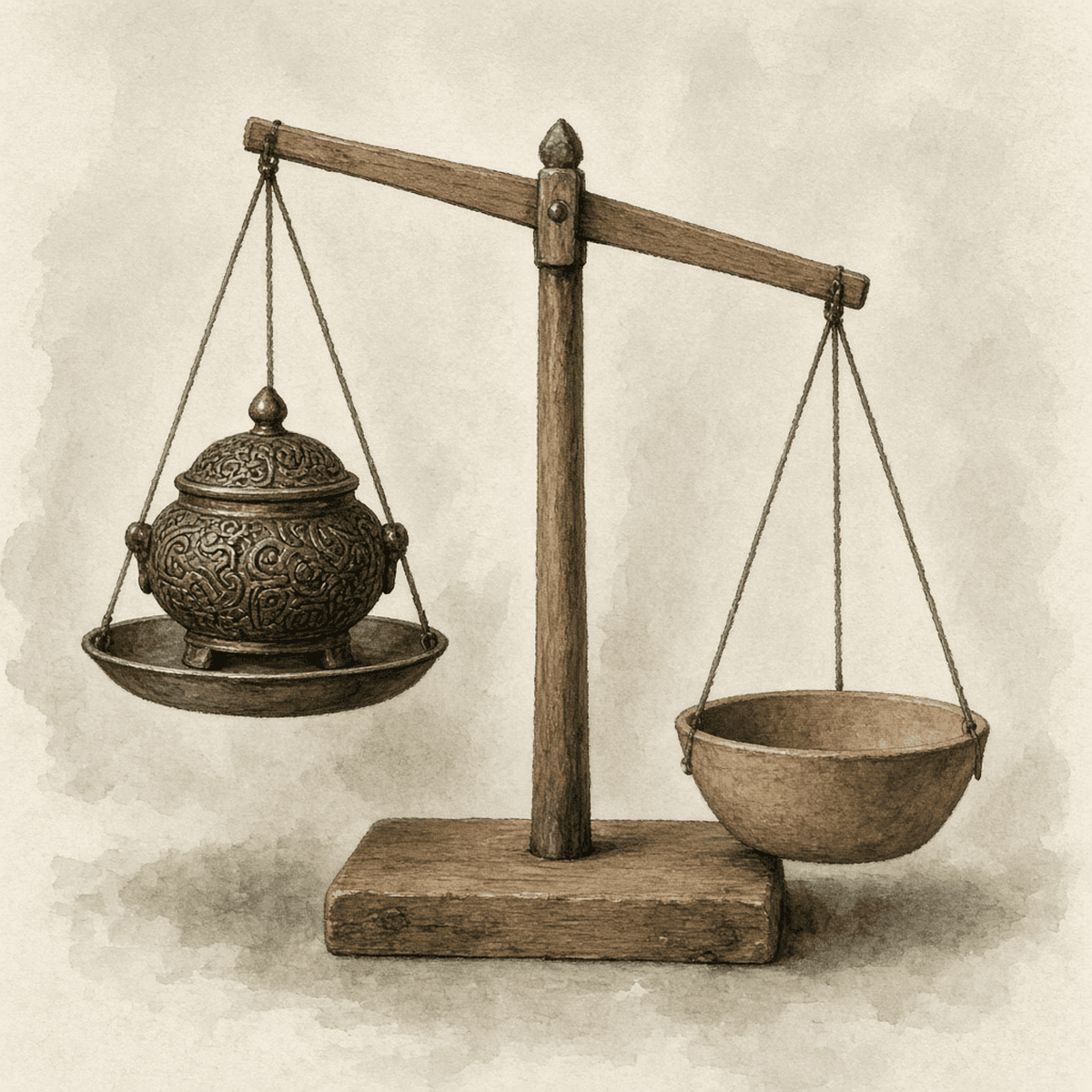
Here the Analects refuses to flatter. In The Analects · Pa Yih 3.25, the source reads 子谓韶,尽美矣,又尽善也,谓武,尽美矣,未尽善也。 The guide: 孔子谈到《韶》乐,说:美到极点了,又善到极点了。谈到《武》乐,说:美到极点了,却还没有善到极点。 Legge: The Master said of the Shao that it was perfectly beautiful and also perfectly good. He said of the Wu that it was perfectly beautiful but not perfectly good. You should keep this to the judgment itself: the Wu music is named for King Wu, and even it falls short of 尽善.
The Analects · T'ai-po 8.11 applies the same scale to gifts. The source: 子曰,如有周公之才之美,使骄且吝,其余不足观也已。 The guide: 孔子说:一个人即使有周公那样美好的才能,如果他骄傲又吝啬,那其余方面也就不值得一看了。 Legge: The Master said, "Though a man have abilities as admirable as those of the Duke of Chau, yet if he be proud and niggardly, those other things are really not worth being looked at." You notice that the Duke of Zhou is the highest measure of ability the sentence can name — and still ability alone is not enough.
Tang: the worthy raised, the fault taken on
Tang appears briefly. In The Analects · Yen Yuan 12.22, Zi Xia says 汤有天下,选于众,擧伊尹,不仁者远矣 — Tang raised Yi Yin from the many, and those without ren kept away.
The Analects · Yao Yueh 20.1 gives you a prayer that the live guide assigns to Tang: 商汤说:我小子履…… The source line you should hold is 朕躬有罪,无以万方,万方有罪,罪在朕躬。 Legge renders it: *If, in my person, I commit offences, they are not to be attributed to you, the people of the myriad regions. If you in the myriad regions commit offences, these offences must rest on my person.* The same passage's guide gives a parallel line to King Wu: 周武王说:我虽然有至亲,都不如有仁德的人。百姓如果有过错,都归在我一人身上。 You see the founder's role framed as bearing blame, not claiming credit.
One caution as you read the index: in 16.11, 见不善如探汤, 汤 means boiling water (Legge: "thrusting the hand into boiling water"), not King Tang.
What the line adds up to
Put the doors together: a man who measures his decline by a dream of the Duke of Zhou (7.5), a culture lodged in him after King Wen (9.5), a way of Wen and Wu kept among people (19.22), Zhou's highest virtue in serving while strong (8.20), and a book that still grades King Wu's music (3.25) and the Duke of Zhou's gifts (8.11). If you want the earlier sage kings, open Who Are Yao, Shun, and Yu in the Analects? — one soft link.
As your own reflection — not as Confucius's words — notice how easily you treat "sage kings" as a list of ancient names. The Analects keeps making them a standard that living people must carry, and can fail.
FAQ
Who are Tang, King Wen, King Wu, and the Duke of Zhou in the Analects?
The site's index describes them as "Sage rulers and the Duke of Zhou, symbols of ritual order, virtue, and institutions." In the passages themselves you meet them less as rulers in a chronicle than as the line of 文 Confucius thinks he carries (7.5, 9.5) and as a standard the book still grades (3.25, 8.11). Check each line on its passage page and say whether you quote the source, the guide, or Legge.
What does 吾不复梦见周公 mean in 7.5?
You are reading Confucius's own measure of decline. The source: 甚矣吾衰也,久矣,吾不复梦见周公. The live guide: 我衰老得多么厉害啊!我已经很久没有再梦见周公了. Legge adds "as I was wont to do," so you hear that such dreams were once usual. The guide and Legge are readings of the line, not extra words of Confucius.
What is 文不在兹乎 in 9.5?
Surrounded in Kuang, Confucius says that after King Wen died, the 文 rests "here." The live guide reads it as 文化传统不都在我这里吗; Legge renders 文 as "the cause of truth." You should keep the source word 文 in view and treat both renderings as interpretations.
Does the Analects praise King Wu without reservation?
No. In 3.25, the Wu music is 尽美矣,未尽善也 — perfectly beautiful but not perfectly good — while the Shao is both. Treat that as a judgment on the music named for King Wu; this Note does not open a wider music essay.
Is the 汤 in 16.11 King Tang?
No. In 见不善如探汤, the live guide explains it as reaching into scalding water, and Legge has "boiling water." Tang the king appears in 12.22 and, by the live guide's attribution, in 20.1.
Open the index next
When you want every passage grouped under these four names on one screen, open Tang, King Wen, King Wu, and the Duke of Zhou. The index is a short list with quotes; this Note only followed the culture carried in people and the grading that never stops. Read the doors again there in context, and when you quote any of them, give the passage URL and say whether you used the source, the guide, or Legge.