
Byline: lunyu.ai editorial desk · Review: lunyu.ai editorial desk
Who Was Zi Gong in the Analects? Speech Without Slickness

In the Analects, Zi Gong (子贡; also 端木赐, Duanmu Ci; Legge: Tsze-kung, Ts'ze) is the disciple placed under speech (言语) with Zai Wo. The book groups that ability; it does not fold it into 佞 (slick, flattering talk). His best known line is not a polished answer but a question: he asks for one word that can be practiced for life, and the Master names 恕. This Note follows him through four live passages. It is not a Zhong Gong Note (仲弓 is another disciple), and it is not a rewrite of the Zhongshu essay — at most a soft chip if you need that door.
He asks for one word — and is given shu
Start with The Analects · Wei Ling Kung 15.23. The source: 子贡问曰,有一言,而可以终身行之者乎。子曰,其恕乎,己所不欲,勿施于人。 The modern guide on that page: 子贡问道:有没有一个字可以终身奉行的呢?孔子说:那大概就是恕吧!自己不愿意的,不要施加给别人。
Legge on the same page: Tsze-kung asked, saying, "Is there one word which may serve as a rule of practice for all one's life?" The Master said, "Is not reciprocity such a word? What you do not want done to yourself, do not do to others."
You get two facts in one door: the question is Zi Gong's; the word 恕 is given in answer. Without his asking, this page does not arrive at that naming. (Some editions number this line 15.24; on this site the slug is wei-ling-gong-023 / 15.23.)
Placed under speech — not charged with ning

Open The Analects · Hsien Tsin 11.2. The source lists four groupings: 德行…言语,宰我,子贡。政事…文学… The guide: 论言辞辩才,有宰我、子贡. Legge: "for their ability in speech, Tsai Wo and Tsze-kung."
Read the placement carefully. Book 11 puts Zi Gong under speech as an ability among disciples who once followed the Master through hardship. That is a grouping of talent — Zai Wo beside him — not a verdict that his talk is 佞. Elsewhere the book has another name for slick, flattering speech and keeps it far off; this Note will not invent a 佞 dialogue about Zi Gong that the live pages do not carry. Speech without slickness is the edge you are asked to hold: skill at words, without collapsing skill into the charge the book reserves for flattery.
A gemmed sacrificial vessel
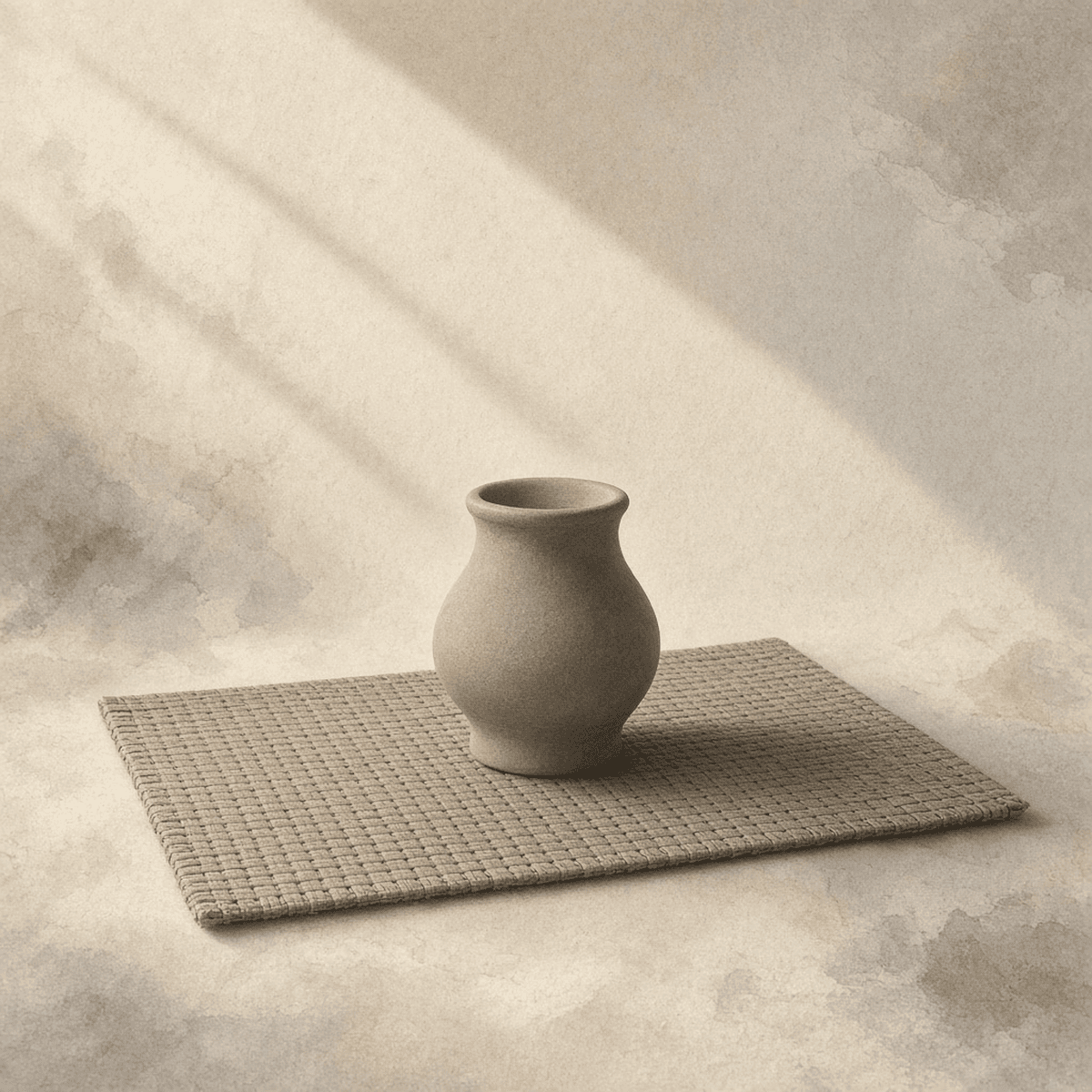
In The Analects · Kung-ye Ch'ang 5.3 Zi Gong asks what he himself is. The source: 子贡问曰,赐也何如。子曰,女器也。曰,何器也。曰,瑚琏也。 The guide: 子贡问道:我这个人怎么样?孔子说:你好比是一件器皿。子贡问:是什么器皿呢?孔子说:是宗庙里盛黍稷的瑚琏。
Legge: Tsze-kung asked, "What do you say of me, Ts'ze? The Master said, "You are a utensil." "What utensil?" "A gemmed sacrificial utensil."
You watch the book grant him a real, named vessel — 瑚琏, used in the ancestral temple — and stop there. Praise of use is not the whole of virtue; it is also not a sneer. Take the image as the live page gives it: a valued vessel, not a claim that vessel equals 仁.
He states reciprocity — and is told he has not yet attained it
The Analects · Kung-ye Ch'ang 5.11 is often misremembered. On the live page it is not a 佞 dialogue. The source: 子贡曰,我不欲人之加诸我也,吾亦欲无加诸人。子曰,赐也,非尔所及也。 The guide: 子贡说:我不愿意别人把不合理的事强加在我身上,我也不愿意把不合理的事强加在别人身上。孔子说:赐啊,这不是你现在能做得到的。
Legge: Tsze-kung said, "What I do not wish men to do to me, I also wish not to do to men." The Master said, "Ts'ze, you have not attained to that."
What you actually have: Zi Gong first states reciprocity as a full two-sided sentence; the Master says that sentence is not yet within his reach. He is the disciple who pushes the question to its edge — and is told the practice is still ahead of him. That line sits beside 15.23 (where he asks and is given 恕); it does not license inventing a flattery scene.
What the four doors add up to
Put them together and you have: the disciple who asks for one lifelong word and is answered with 恕 (15.23); who is listed under speech with Zai Wo as ability, not as 佞 (11.2); who is called a 瑚琏 vessel (5.3); who states a full reciprocity sentence and hears that he has not yet attained it (5.11). The Note deepens those doors; it does not retell the index essay.
If you need the broader door on loyalty and reciprocity as a pair — without treating this Note as that essay — open Zhongshu in the Analects: Loyalty, Reciprocity, and What They Are Not once, as a soft chip only. Zi Gong (子贡) is not Zhong Gong (仲弓); keep the names apart.
As your own reflection — not as Confucius's words — you may be good with words: briefings, negotiation, the sentence that lands. The Analects can place that under speech and still refuse to call skilled talk 佞. The harder edge in these doors is the question that yields 恕, and the willingness to hear that a sentence you can say is not yet a practice you have attained.
FAQ
Who was Zi Gong in the Analects?
He is a disciple of Confucius, named 子贡 and 端木赐 (Duanmu Ci; Legge: Tsze-kung, Ts'ze). Live passages show him asking for one lifelong word and receiving 恕 (15.23), listed under speech with Zai Wo (11.2), called a 瑚琏 vessel (5.3), and stating reciprocity before being told he has not yet attained it (5.11). Check each line on its passage page and say whether you used the source, the guide, or Legge.
Did the Analects call Zi Gong ning (佞)?
No line fetched for this Note charges him with 佞. Book 11 places him under 言语 (speech) as ability beside Zai Wo. Slick, flattering speech has another name in the book elsewhere; do not invent a 佞 dialogue about Zi Gong that the live pages do not carry.
What did Zi Gong ask in 15.23?
He asked whether there is one word that can be practiced for all one's life. The Master answered with 恕 — in Legge, "Is not reciprocity such a word? What you do not want done to yourself, do not do to others." On this site the passage is Wei Ling Kung 15.23 (wei-ling-gong-023).
What does 瑚琏 mean in 5.3?
When Zi Gong asks what he is, the Master first says he is a utensil (器), then names 瑚琏 — in the guide, a temple vessel for millet; in Legge, "a gemmed sacrificial utensil." Quote the live page and keep source, guide, and Legge layered.
What happens in 5.11?
Zi Gong states that what he does not want done to himself he also wishes not to do to others. The Master replies that Ts'ze has not attained that. It is an aspiration toward reciprocity, not a 佞 scene. Pair it with 15.23 rather than rewriting either as the other.
After FAQ — open the Zi Gong index
When you want the passages that name him on one screen, open Zi Gong. The index judges and selects; this Note followed the question that yields 恕, the speech grouping without 佞, the vessel image, and the not-yet-attained sentence. Read the doors again there in context, and when you quote any of them, give the passage URL and say whether you used the source, the guide, or Legge.